A Message at Midnight
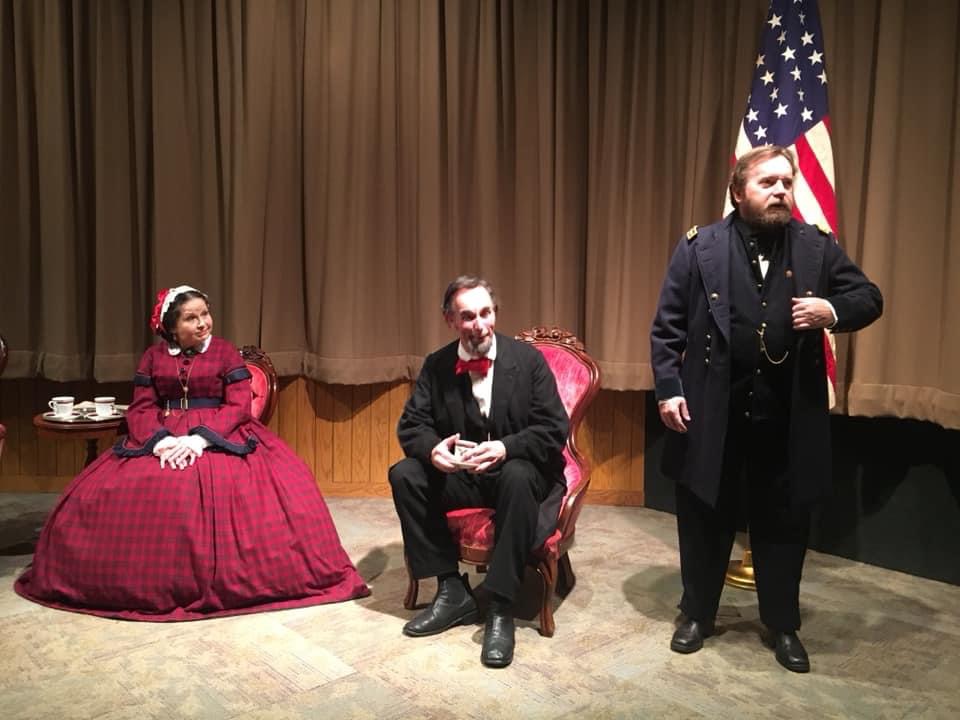
A Message at Midnight — also carried in Ken Bradbury's manuscripts under the alternate titles "Then Pealed the Bells" and "A Hardscrabble Christmas" — is an intimate three-character drama set in a sitting room of the White House on Christmas Eve, December 24th, 1864. It is the third Christmas of the Civil War, and the Union's fortunes hang on news that has not yet come. Mary Todd Lincoln frets over a dinner that is starting late, the President waits patiently for his tardy general, and the war refuses to take a holiday.
The evening's tension is anchored by the long silence from Sherman's army — six weeks without word from sixty-two thousand troops marching without a supply line. Lincoln, weary and distracted, moves between hope and doubt, reading aloud from Southern newspapers about children told that Santa is a Yankee who won't be let through the pickets this year, and about families boiling smokehouse dirt for its salt and cutting up carpets for blanket wool. Against this backdrop of suffering on both sides, the play asks whether grace and remembrance can survive a war — and what Christmas can still mean inside the house of a nation tearing itself apart.
In Bradbury's careful hand, the history is exact and the heart is warm. An author's note acknowledges that Grant in fact spent that Christmas Eve at City Point, Virginia, but explains that the playwright has brought him to Washington for the sake of the story. What follows is less a battle drama than a quiet meditation on duty, marriage, mercy, and the bells that, in Longfellow's words, peal out the promise of peace on earth even in the darkest year.
Cast
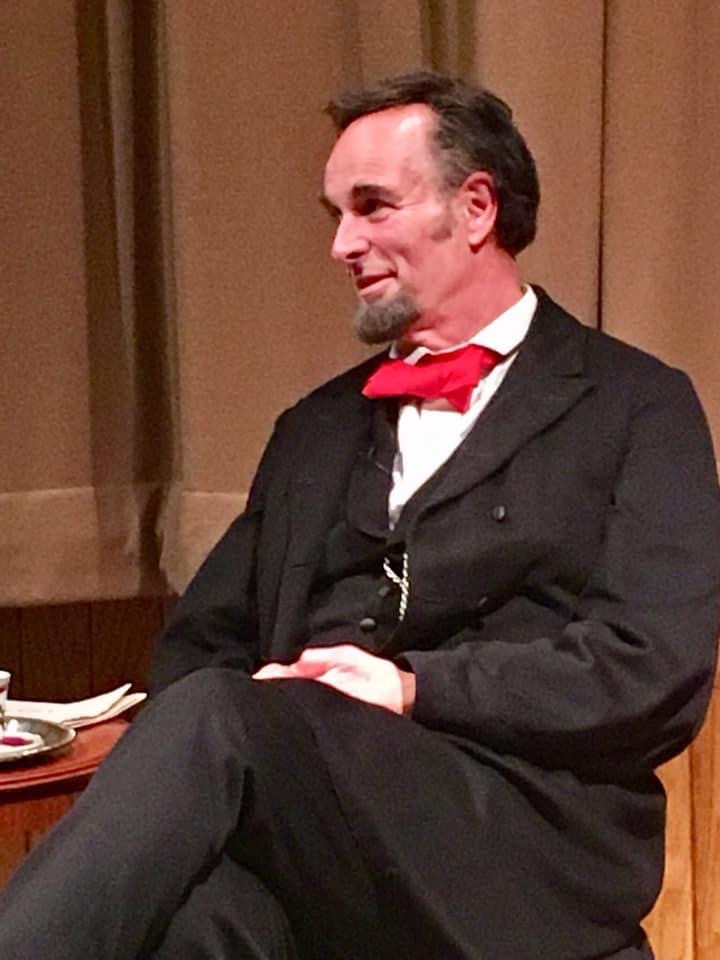
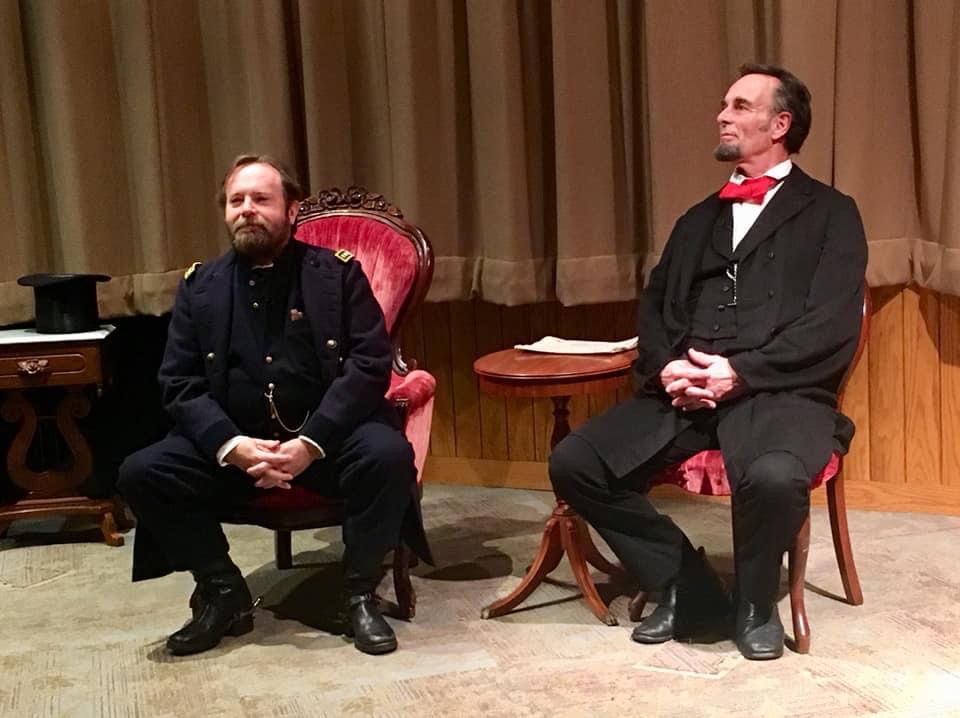
- Abraham Lincoln — Fritz Klein
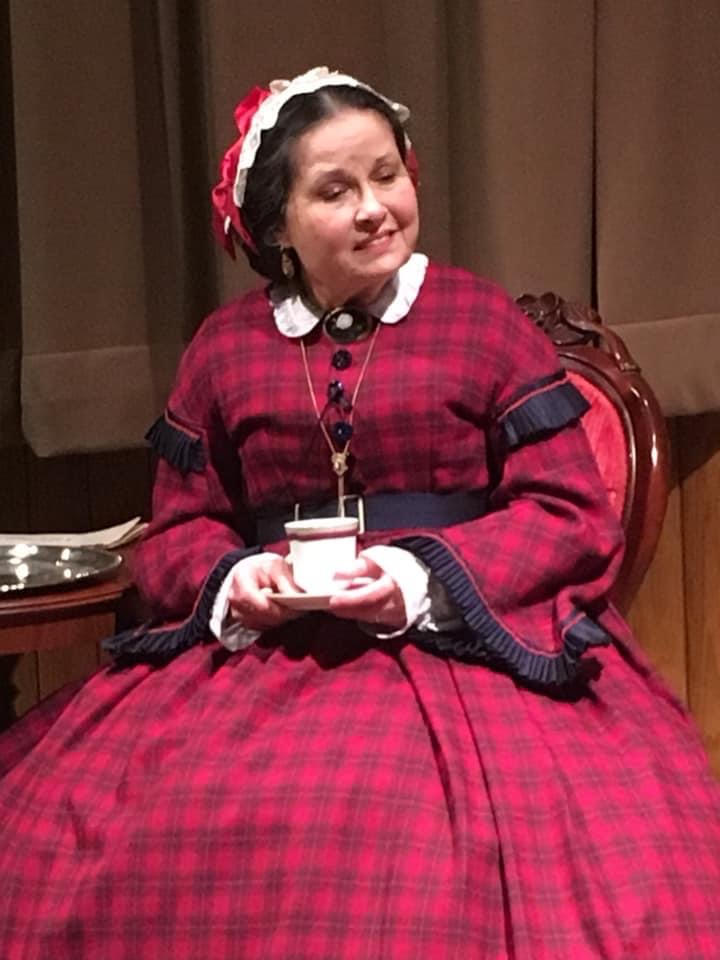
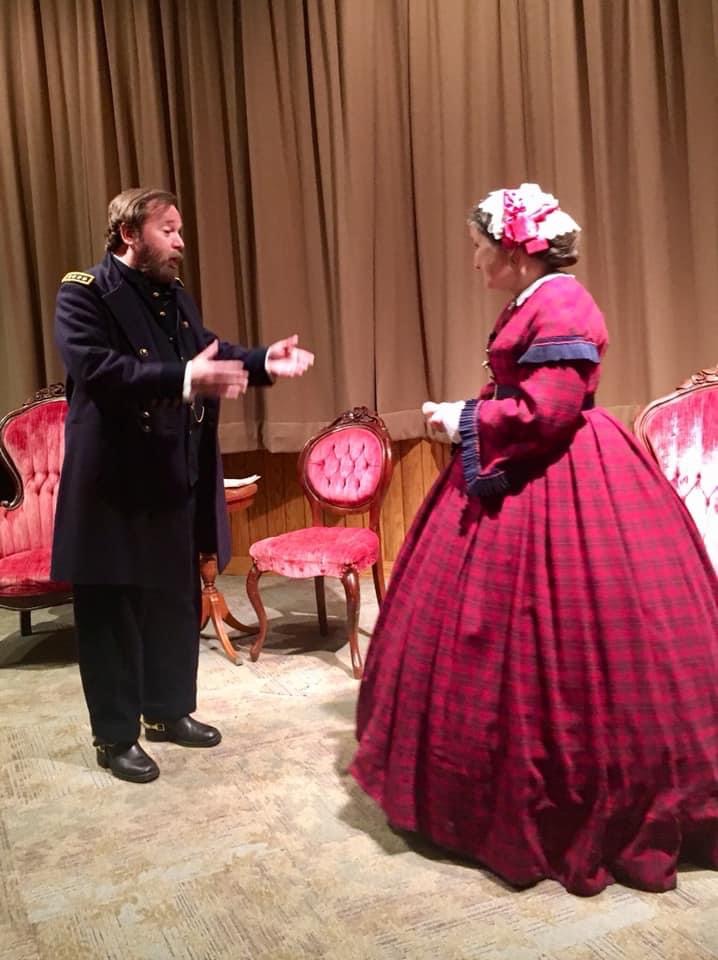
- Mary Todd Lincoln — Pam Brown
- General Ulysses S. Grant — D.A. (Dennis) Rendleman
Production Notes
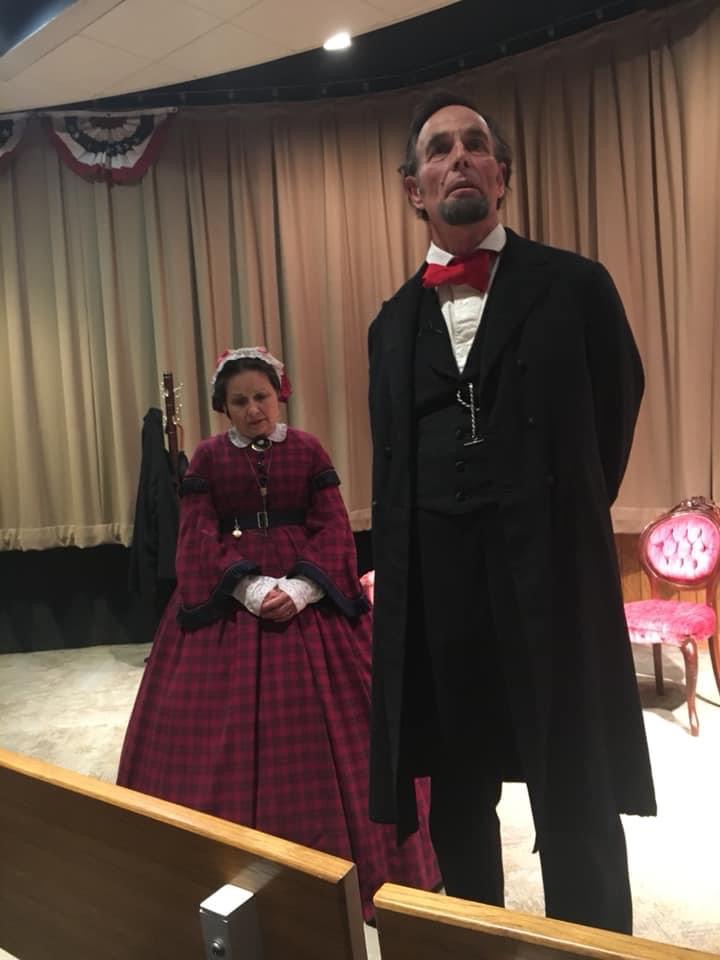
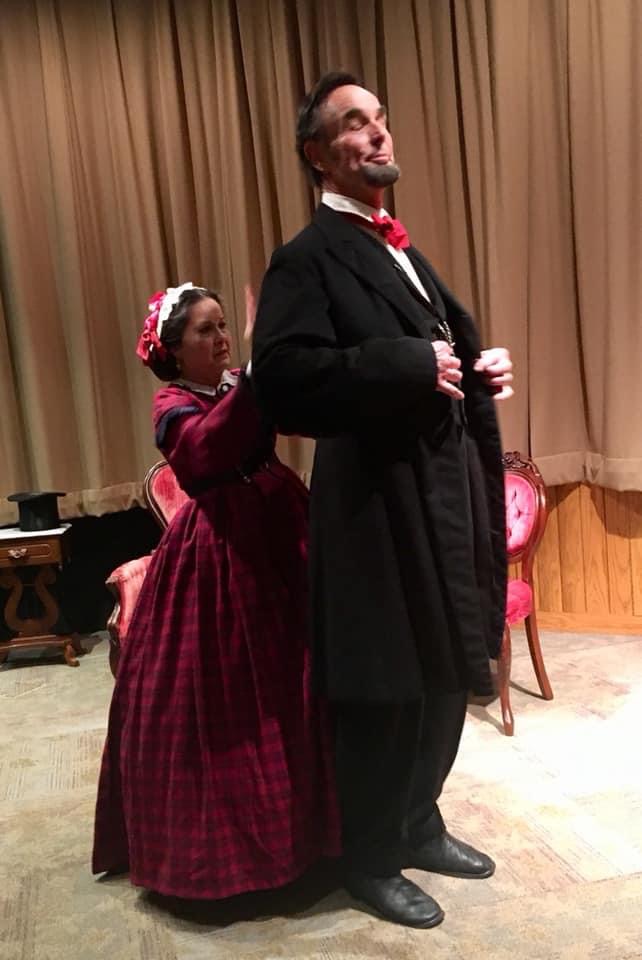
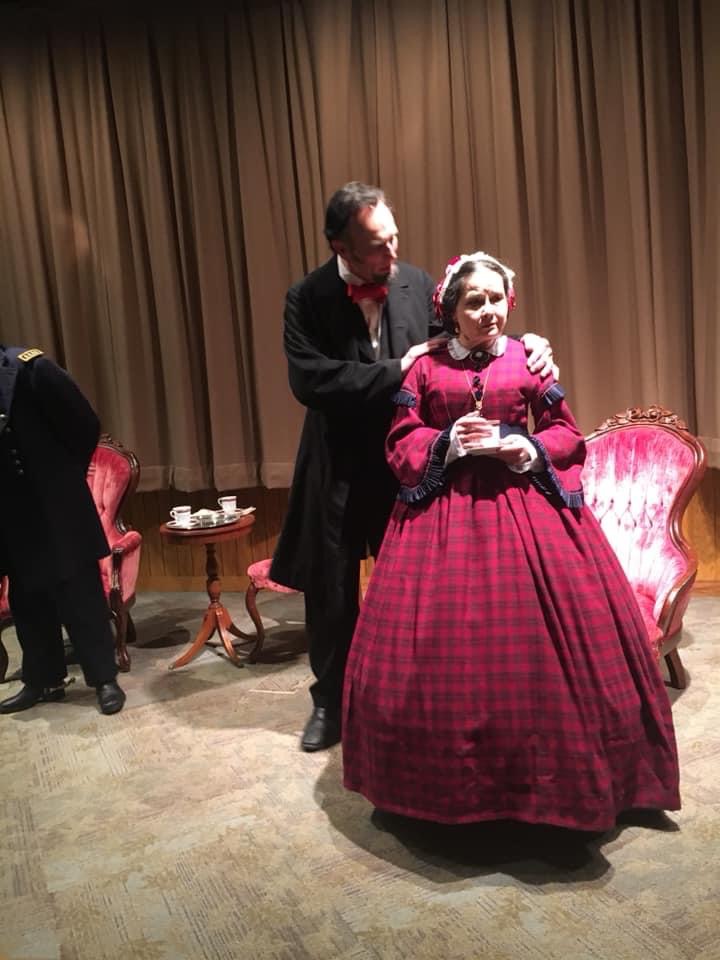
The play is written for a single simple set: a White House sitting room with a table center stage, three chairs, and an imaginary window downstage overlooking the White House lawn. Ken Bradbury's manuscripts include several revisions — among them a fully blocked "tech script" with detailed stage directions — reflecting his ongoing refinement of the piece for performance. An author's note clarifies the historical liberty taken in placing Grant in Washington rather than at the Virginia front on Christmas Eve, 1864.
A Message at Midnight has become an annual holiday tradition at the Lincoln Home National Historic Site's Visitor Center in Springfield, presented free and open to the public. A 2022 run played December 8 and 9 at 6 p.m. and December 11 at 3 p.m., returning to in-person performance after two years of virtual staging. As the National Park Service described it: "The play follows President Lincoln as he waits for General Grant to arrive at the White House on Christmas Eve. Amid all the festivities, the Civil War still drags on. Lincoln and Grant hope to hear news from General Sherman of his campaign towards Savannah." (nps.gov)
The tradition has continued in the years since: a December 2025 run played the visitor center's Theater 1 on Friday, December 12 (3 p.m., followed by candlelight tours of the historic home from 4:30–6:30 p.m.) and Saturday, December 13 (3 p.m.), with light refreshments afterward provided by the Lincoln Presidential Foundation. (Looking for Lincoln Heritage Coalition, Facebook)
According to Foundation records, the play's title was settled as A Message at Midnight after the production moved to the Lincoln Home Visitor Center. Lincoln Home National Historic Site's own YouTube channel has posted a recording of the performance, embedded below.
Photos
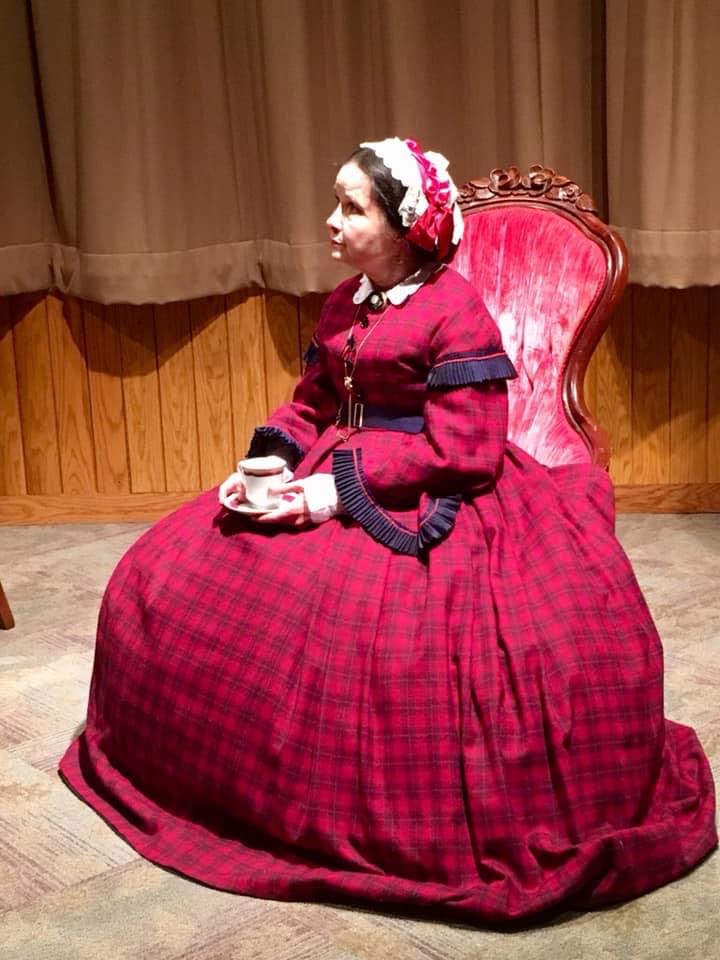
Fritz Klein as Lincoln, Pam Brown as Mary Todd Lincoln, and Dennis Rendleman as Grant, performing at the Lincoln Home National Historic Site Visitor Center — Mary receiving her tea, Lincoln and Grant in conversation, and the full cast together before the American flag.